
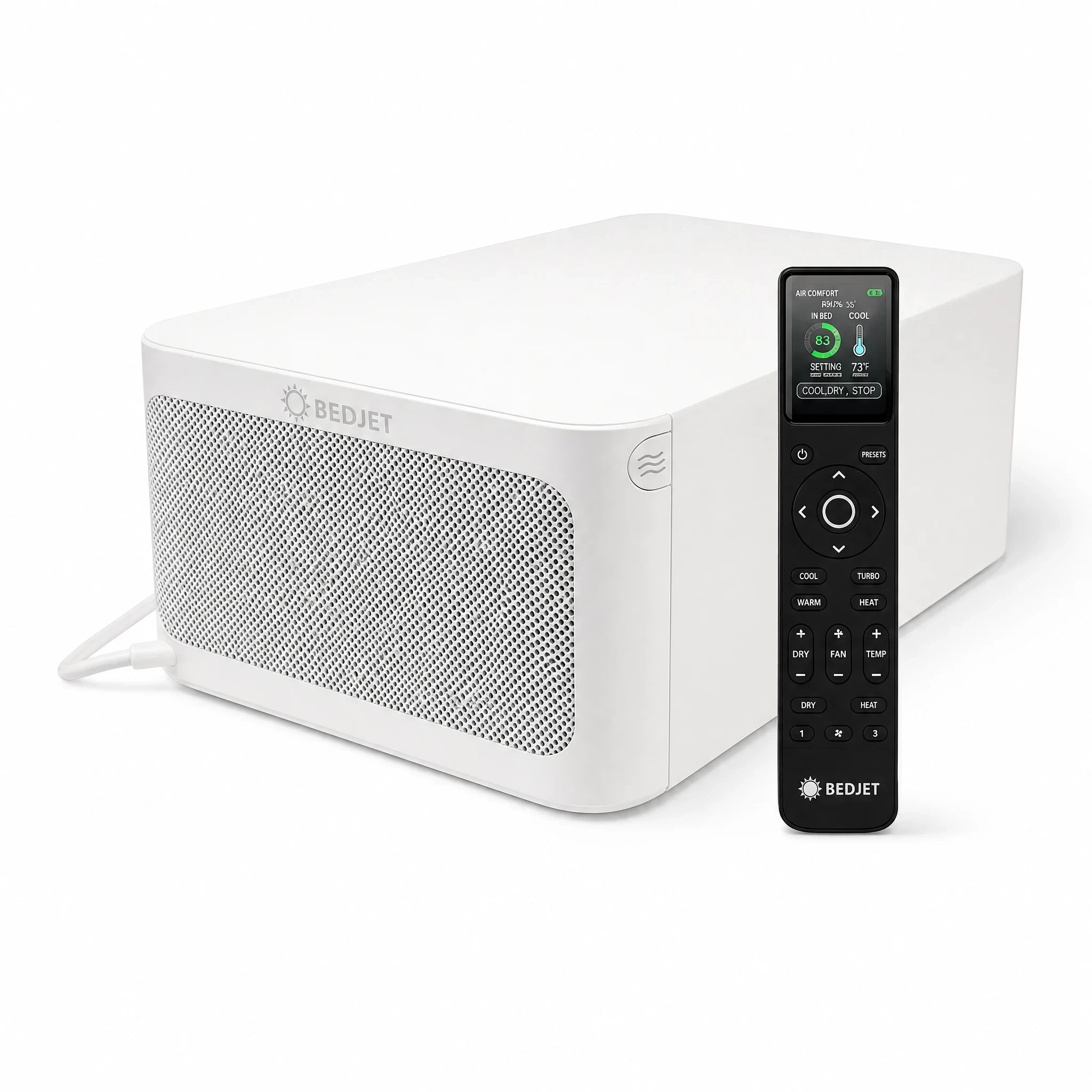
BedJet 3
$569 from BedJet
We may earn a commission from this eligible link at no extra cost to you. Affiliate disclosure
Safety & transparency looks strong, but missing verified customer ratings limits the recommendation.
Pages used for this rating.
Claims and specifications
Wearing the glasses before bed supports melatonin production
UnresolvedBrand and retailer pages make this claim, but the provided research evidence does not directly validate a sleep or melatonin outcome for this specific product.
Missing a required intervention or setting term. Not a finished-product study.
The glasses are designed and manufactured in an optical laboratory
SupportedDirectly stated on official and retailer pages.
Missing a required intervention or setting term. Not a finished-product study.
Wearing the glasses 2–3 hours before bed improves sleep
UnresolvedSupported as a usage suggestion by product pages, but not independently established here as a reliable sleep-improvement effect.
Missing a required intervention or setting term. Not a finished-product study.
Blocks 100% of blue and green light between 400 and 550 nm
SupportedRepeated across official and third-party product pages.
Not a finished-product study. Missing a required intervention or setting term.
The glasses are lightweight and comfortable for evening wear
UnresolvedThis is a marketing description without objective evidence in the provided sources.
Missing a required intervention or setting term. Not a finished-product study.
Quality signals combine supported product disclosures and warranty coverage.
Moderate claim risk with 5 disclosed cautions or contraindications.
6.85 x 4.17 x 2.28
1-year manufacturer’s warranty
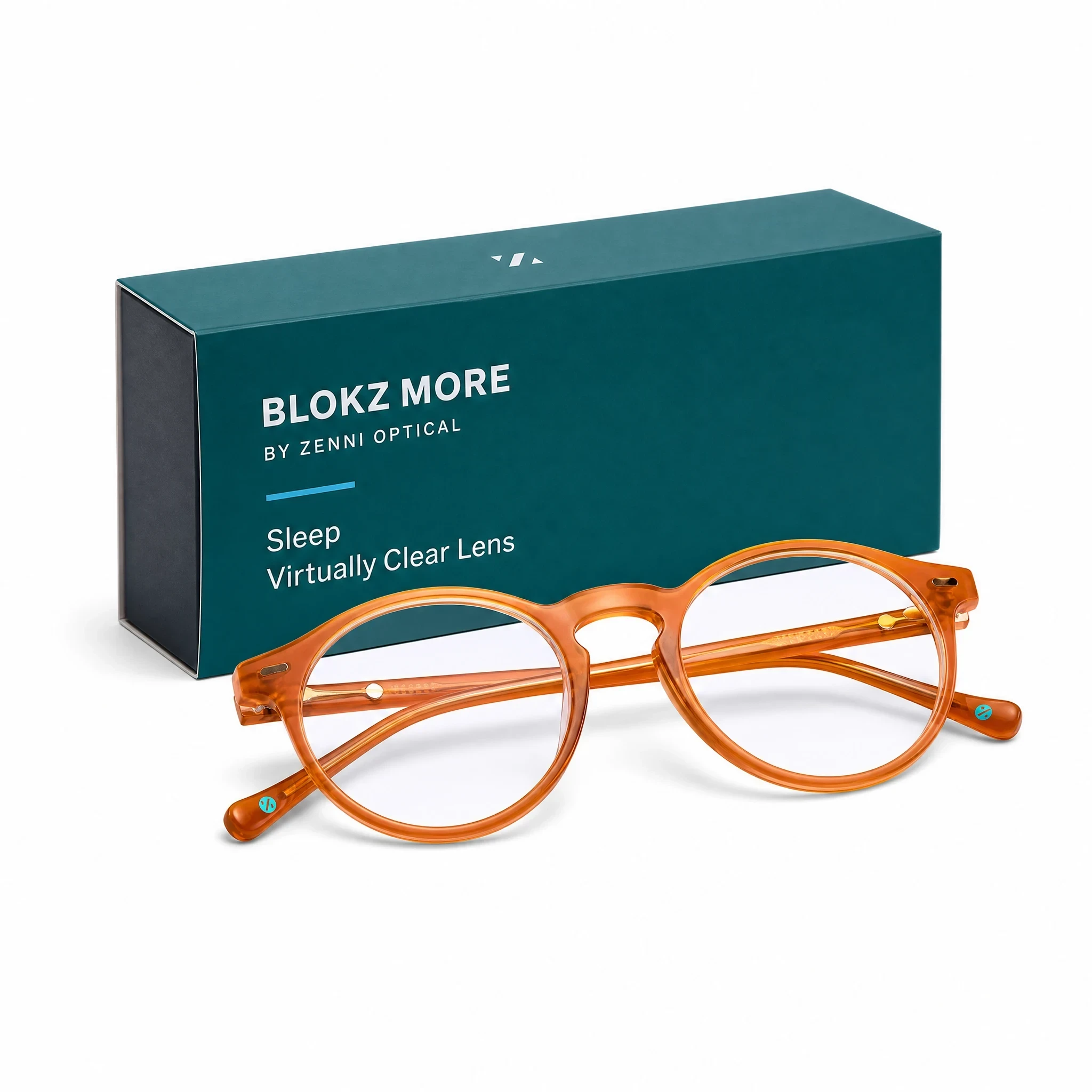
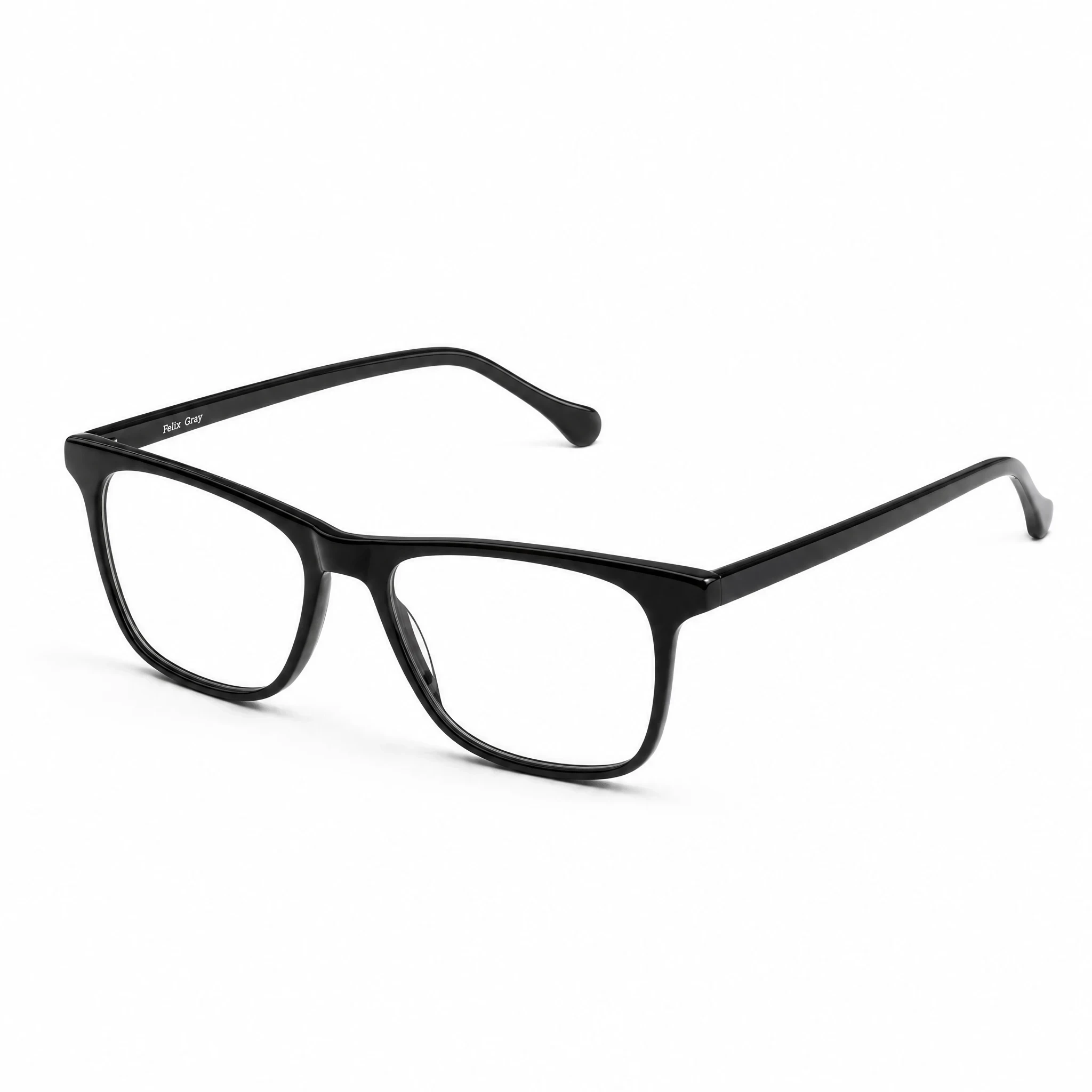
Morris Blue Light Blocking Glasses are designed to enhance sleep quality by filtering out 100% of blue and green light in the 400-550nm range. This specific range of light is known to disrupt melatonin production, a hormone crucial for regulating sleep cycles. By wearing these glasses 2-3 hours before bedtime, users can boost melatonin levels, align their circadian rhythms, and experience deeper, more restful sleep.
These glasses are crafted in an optics laboratory, ensuring high-quality lenses that effectively block the targeted light frequencies. Available in non-prescription, prescription, and reading options, they cater to a wide range of visual needs. The frames are made from lightweight, high-grade materials for comfort during extended wear.
Morris Blue Light Blocking Glasses are classified as medical devices in the USA and Australia, registered with the FDA and ARTG. This classification underscores their effectiveness and safety in promoting better sleep and overall well-being. By reducing exposure to disruptive light, these glasses help users wake up feeling refreshed and energized.
Public product mentions, recommendations, or promotions. These relationships do not establish that a product is effective.

Image source: Maja Smiejkowska / TAterPARsOLI · CC BY-SA 4.0
The transcript includes a 15% listener offer for Bon Charge. This is commercial exposure, not an independent assessment of effectiveness.
The source names the brand, not necessarily this exact catalog item.
How To Use Testosterone, Peptide Stacks That Will Blow Your Mind, The Truth About Getting Peptides On The Internet, & Much MoreThe evidence supports that these glasses are designed to block blue and green light in the 400–550 nm range, which reduces evening light exposure. Research cited by the brand and third-party listings support the light-blocking mechanism and the rationale for wearing them before bed. Evidence that blue-light-blocking glasses reliably improve sleep outcomes is more limited and should be treated cautiously.
No reader ratings yet. If you have used this product, your experience could help the next person decide.
No reviews yet
Share the first rating.
No comments yet
Start the conversation.
We may earn a commission from this eligible link at no extra cost to you. Affiliate disclosure
Safety & transparency looks strong, but missing verified customer ratings limits the recommendation.
Pages used for this rating.
Claims and specifications
Wearing the glasses before bed supports melatonin production
UnresolvedBrand and retailer pages make this claim, but the provided research evidence does not directly validate a sleep or melatonin outcome for this specific product.
Missing a required intervention or setting term. Not a finished-product study.
The glasses are designed and manufactured in an optical laboratory
SupportedDirectly stated on official and retailer pages.
Missing a required intervention or setting term. Not a finished-product study.
Wearing the glasses 2–3 hours before bed improves sleep
UnresolvedSupported as a usage suggestion by product pages, but not independently established here as a reliable sleep-improvement effect.
Missing a required intervention or setting term. Not a finished-product study.
Blocks 100% of blue and green light between 400 and 550 nm
SupportedRepeated across official and third-party product pages.
Not a finished-product study. Missing a required intervention or setting term.
The glasses are lightweight and comfortable for evening wear
UnresolvedThis is a marketing description without objective evidence in the provided sources.
Missing a required intervention or setting term. Not a finished-product study.
Quality signals combine supported product disclosures and warranty coverage.
Moderate claim risk with 5 disclosed cautions or contraindications.
6.85 x 4.17 x 2.28
1-year manufacturer’s warranty
Morris Blue Light Blocking Glasses are designed to enhance sleep quality by filtering out 100% of blue and green light in the 400-550nm range. This specific range of light is known to disrupt melatonin production, a hormone crucial for regulating sleep cycles. By wearing these glasses 2-3 hours before bedtime, users can boost melatonin levels, align their circadian rhythms, and experience deeper, more restful sleep.
These glasses are crafted in an optics laboratory, ensuring high-quality lenses that effectively block the targeted light frequencies. Available in non-prescription, prescription, and reading options, they cater to a wide range of visual needs. The frames are made from lightweight, high-grade materials for comfort during extended wear.
Morris Blue Light Blocking Glasses are classified as medical devices in the USA and Australia, registered with the FDA and ARTG. This classification underscores their effectiveness and safety in promoting better sleep and overall well-being. By reducing exposure to disruptive light, these glasses help users wake up feeling refreshed and energized.
Public product mentions, recommendations, or promotions. These relationships do not establish that a product is effective.
Image source: Maja Smiejkowska / TAterPARsOLI · CC BY-SA 4.0
The transcript includes a 15% listener offer for Bon Charge. This is commercial exposure, not an independent assessment of effectiveness.
The source names the brand, not necessarily this exact catalog item.
How To Use Testosterone, Peptide Stacks That Will Blow Your Mind, The Truth About Getting Peptides On The Internet, & Much MoreThe evidence supports that these glasses are designed to block blue and green light in the 400–550 nm range, which reduces evening light exposure. Research cited by the brand and third-party listings support the light-blocking mechanism and the rationale for wearing them before bed. Evidence that blue-light-blocking glasses reliably improve sleep outcomes is more limited and should be treated cautiously.
No reader ratings yet. If you have used this product, your experience could help the next person decide.
No reviews yet
Share the first rating.
No comments yet
Start the conversation.

Image source: Apollo Neuro blog, 2025
The transcript includes a Bon Charge sauna-blanket promotion. This is commercial exposure, not an independent assessment of effectiveness.
The source names the brand, not necessarily this exact catalog item.
Biohacking in Space: Prioritizing Prevention to Live Forever - Alan Graves : 1081
Image source: Luke Storey official website
The transcript includes a Bon Charge discount code and describes products from the brand. This is commercial exposure, not an independent assessment of effectiveness.
The source names the brand, not necessarily this exact catalog item.
Sacred Sustenance: Better Than Vegan? Wild Meat That Heals the Body and the Land w/ Mansal Denton #644Image source: Apollo Neuro blog, 2025
The transcript includes a Bon Charge sauna-blanket promotion. This is commercial exposure, not an independent assessment of effectiveness.
The source names the brand, not necessarily this exact catalog item.
Biohacking in Space: Prioritizing Prevention to Live Forever - Alan Graves : 1081Image source: Luke Storey official website
The transcript includes a Bon Charge discount code and describes products from the brand. This is commercial exposure, not an independent assessment of effectiveness.
The source names the brand, not necessarily this exact catalog item.
Sacred Sustenance: Better Than Vegan? Wild Meat That Heals the Body and the Land w/ Mansal Denton #644