Sleep Masks and Next-Day Alertness: What the Evidence Says
A sleep mask may help block bedroom light, but evidence for better next-day alertness is still early. Try a simple home test and track your results.
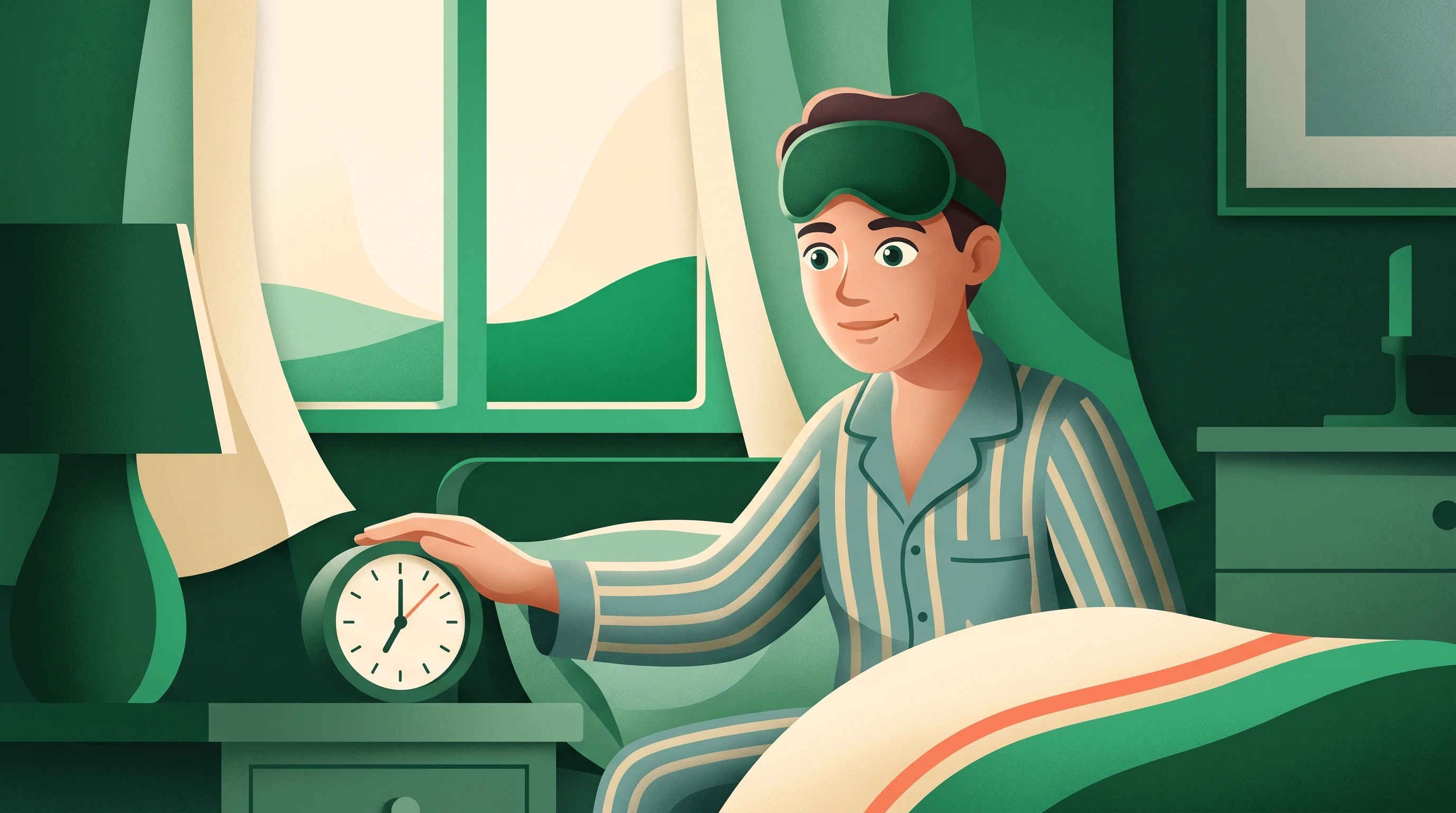
A sleep mask is a simple way to block light. But can it help you feel more alert the next day? Evidence on sleep masks and next-day alertness is limited. Some hospital studies examine sleep, but those results may not fit home use.
A mask can make a bright room darker. It cannot fix noise, heat, or an irregular sleep schedule. And one good morning does not prove the mask caused a change.
What Sleep Masks Do—and Why Alertness Matters
A sleep mask is a wearable barrier. It reduces ambient light reaching your eyes. That may help if streetlights, screens, or early dawn brighten your room.
The idea matters because sleep and daytime function are linked. Still, a mask is only one part of the sleep environment. It does not add time for sleep or address other disruptions.
The direct evidence for next-day alertness is more limited than the research on sleep outcomes in some hospitals. For a broader review, read the sleep-mask evidence guide.
How Blocking Light May Help—and What the Evidence Shows
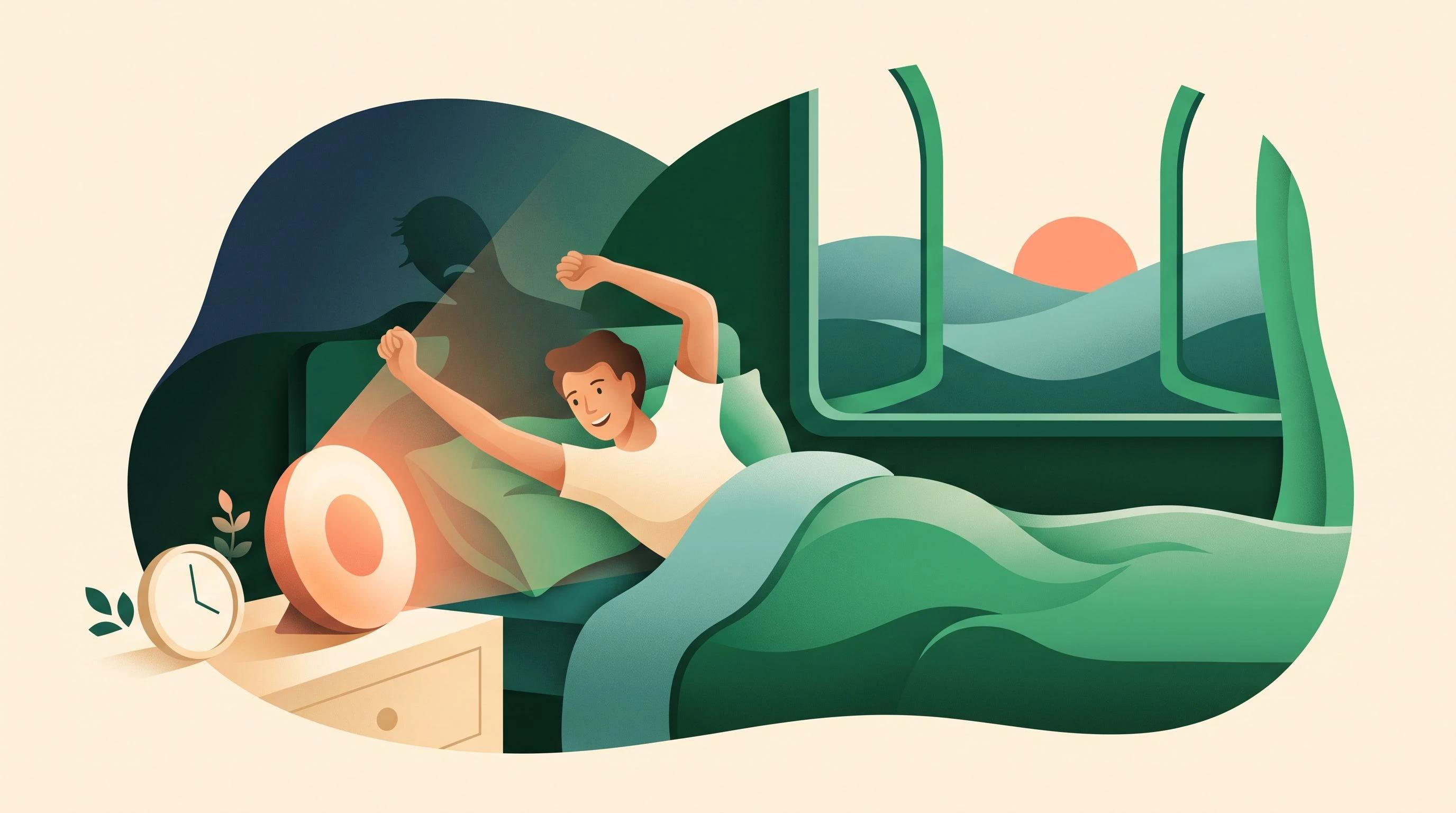
Less light during sleep may support a darker sleep setting. This is a plausible mechanism, not proof that a mask improves alertness (early mechanistic evidence). The mask blocks light; it does not change the body's sleep need.
One observational study reported better episodic learning and alertness after overnight mask use (early evidence). Observational research can show a link. It cannot establish that the mask caused the change, or that the same effect will occur at home. Read the study.
Hospital sleep research has a broader base. Randomized trials and systematic reviews have studied masks for sleep promotion among critically ill patients (moderate evidence for this setting). Some tested masks alongside earplugs or other interventions. Those combinations make it harder to know what role the mask played. See the review and a randomized trial.
Cardiac and intensive-care trials have also examined sleep quality and comfort. These studies add evidence about patients in care settings. They do not settle whether masks improve alertness for healthy adults at home. Cardiac patient trial; intensive-care comfort trial.
A Simple One-Week Sleep-Mask Trial
Choose a soft, breathable mask. It should block light without pressing on your eyes. Check that it stays put when you turn over. It should not pull at your skin.
For a useful comparison, first record a few nights without the mask. Then wear it during sleep for seven nights. Keep bedtime and wake time as steady as practical. Try not to change other habits at the same time.
Each morning, note four things: sleep duration, awakenings, mask comfort, and alertness. Rate alertness from 1 to 10. Use the same scale each day. A short note can help explain an unusual score.
Compare the seven mask nights with your usual nights. If practical, include a few nights without the mask again. This can help show whether any change repeats. Do not rely on one unusually good or bad morning.
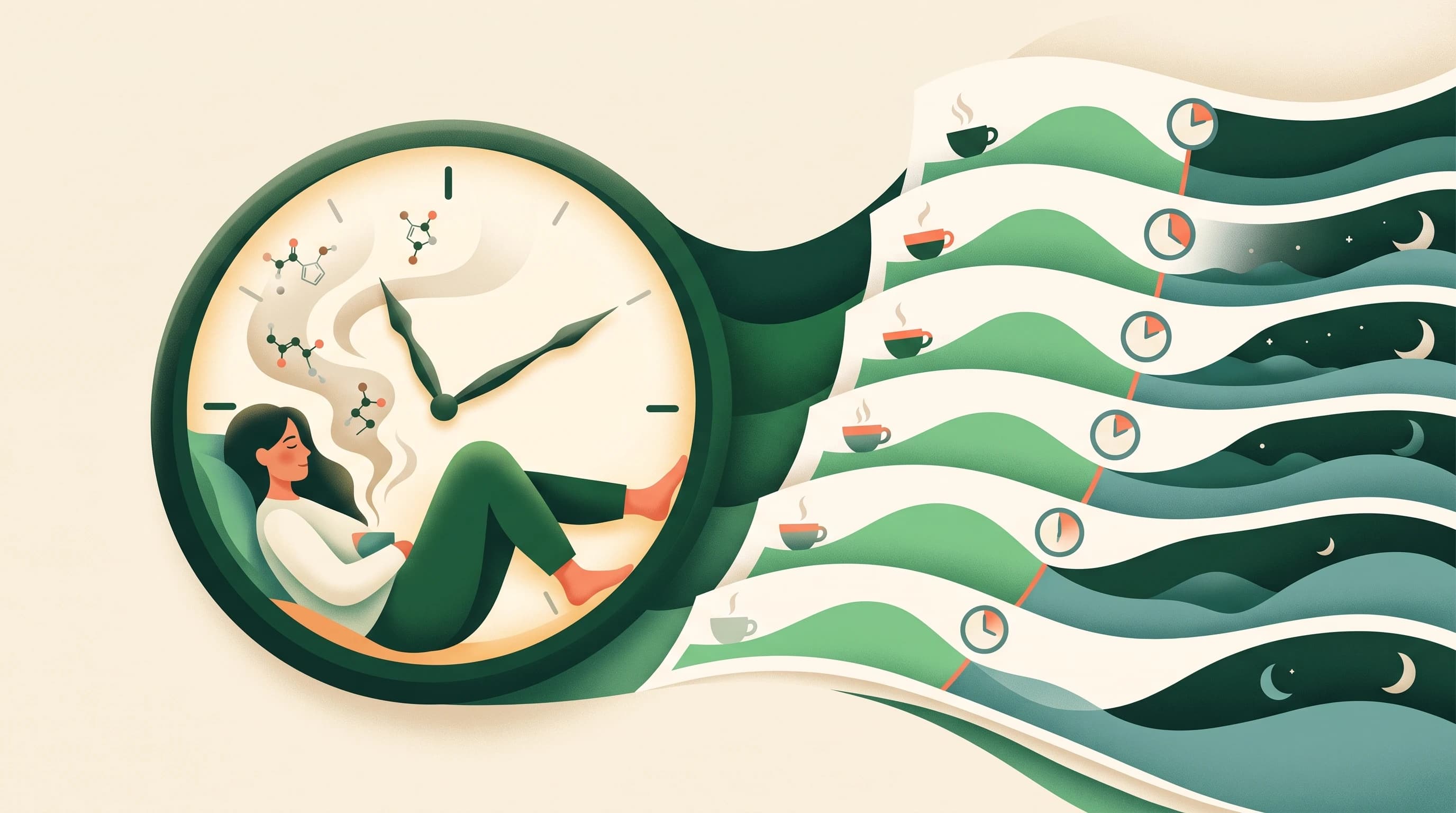
Keep regular sleep habits as part of the test. NHLBI guidance on healthy sleep habits also supports a steady sleep schedule. If sleepiness continues, consider sleep duration, schedule changes, and caffeine timing. Research on caffeine timing is observational, so treat it as context, not proof. Explore the caffeine timing guide.
Common Mistakes, Limits, and Safety Checks
Do not use a mask that feels tight, hot, or presses on your eyes. Stop if it causes pain, skin irritation, or eye discomfort. Stop if it makes sleep harder.
A mask is not a fix for insomnia or sleep apnea. It also cannot replace enough time for sleep or a regular schedule. Ongoing sleep problems or severe daytime sleepiness deserve assessment by a healthcare professional.
Be careful when applying hospital findings to home use. Illness, care routines, and noise can affect sleep in hospitals. Some studies also tested masks with other interventions. Those factors limit what can be concluded about a mask alone.
How to Judge Whether a Mask Is Worth Keeping
Look for changes that repeat across several mornings. Fewer light-related awakenings or higher alertness ratings may be useful signs. There is no promised amount of improvement.
Your own results can guide a personal choice. But improvement for you does not show that the mask will help everyone. A darker room may help some people more than others.
A mask and morning light serve different roles. A mask blocks light during sleep. A morning light routine aims to add light after waking. If dawn light or a shifting schedule is your main concern, explore the dawn simulation guide.
Practical Tips
- Pick a mask that feels soft and stays in place.
- Try a few usual nights before starting the test.
- Wear the mask only during sleep for seven nights.
- Keep sleep and wake times steady where possible.
- Record sleep, awakenings, comfort, and alertness daily.
- Stop if you have pain, irritation, or eye discomfort.
Conclusion
A comfortable sleep mask is a low-complexity way to reduce bedroom light. Evidence for better next-day alertness in typical home sleepers remains early. A one-week trial can show whether it helps your comfort and morning focus. Keep it as a light-control tool, not a substitute for enough sleep.
Explore more sleep and recovery resources from Biohacker's Guide, including the linked guides on sleep masks, caffeine, and dawn simulation.
Disclaimer
This is educational content, not medical advice. Consult a healthcare professional before changing supplements, fasting, cold exposure, or training routines, especially if you have existing conditions or take medications.