Dawn-Simulation Alarms and Morning Sleep Inertia: A Guide
Learn what sunrise alarms may change, what research says about morning grogginess, and how to run a cautious two-week test without cutting sleep.
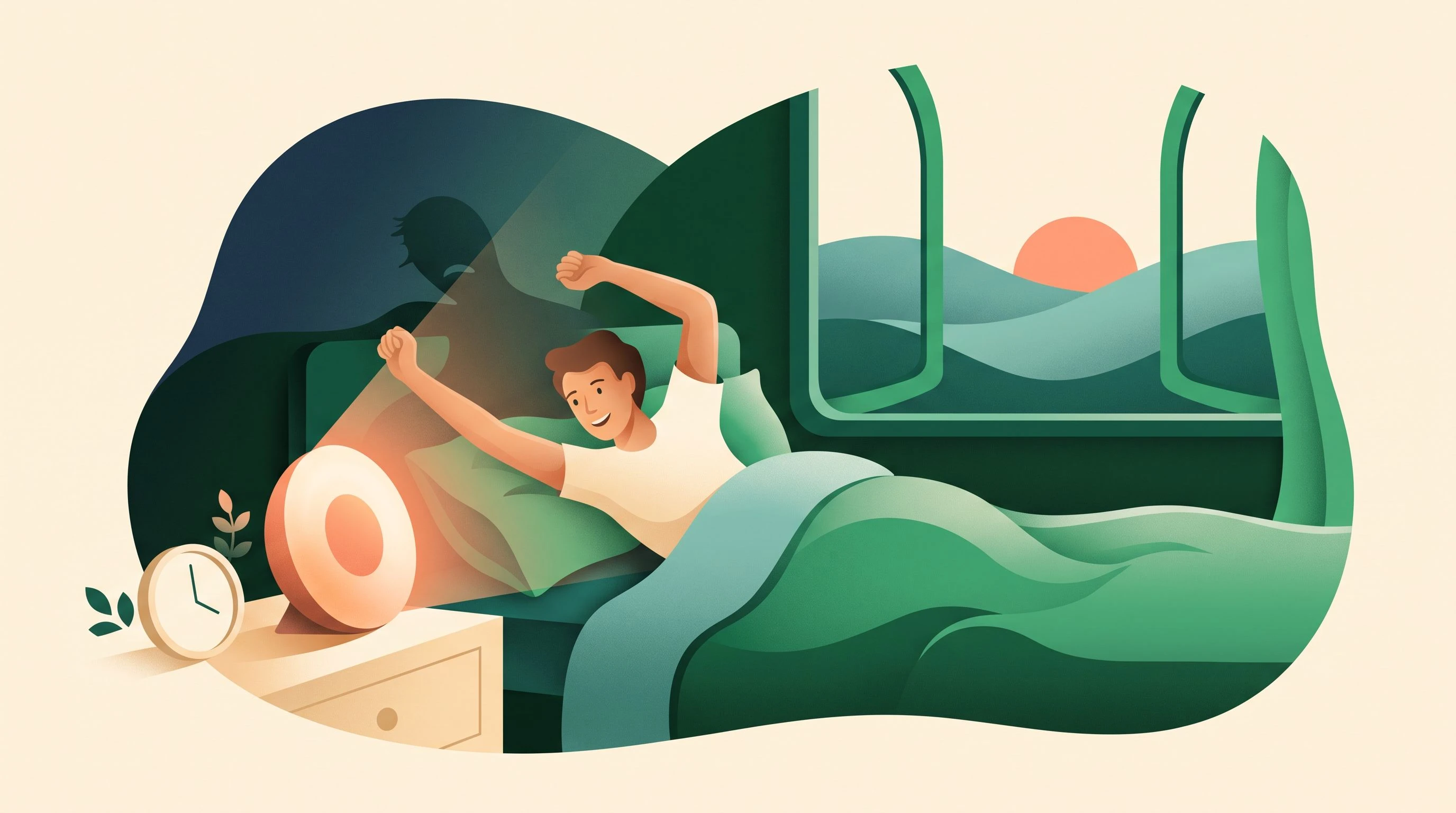
Waking to a dark room can feel harsh. A sunrise alarm aims to make that shift gentler. But does it reduce morning grogginess? Evidence on dawn-simulation alarms and morning sleep inertia is limited. A lamp cannot replace enough sleep.
What dawn simulation and sleep inertia mean
A dawn-simulation alarm gradually raises bedroom light before a set wake time. It differs from a sudden sound alarm. It also differs from bright-light therapy, which uses planned light exposure for a health goal.
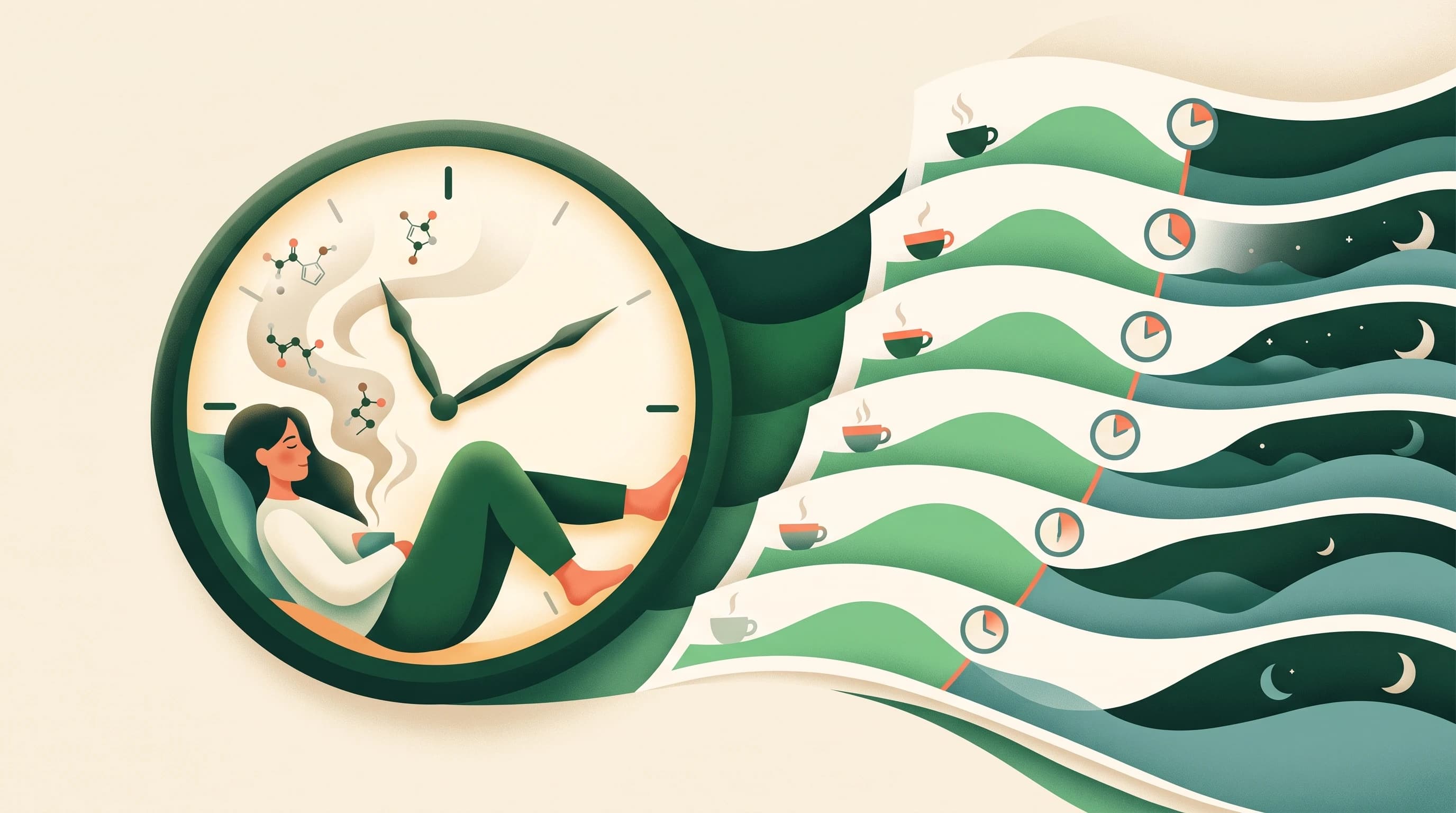
Sleep inertia is the brief groggy state after waking. Thinking and reaction speed may feel slower. Sleep loss and the timing of waking can affect how it feels. Research has studied dawn light during sleep restriction, but that does not prove it will offset lost sleep (study).
A sunrise alarm changes light around wake time. It does not make short or broken sleep adequate. For more background, read the dawn-simulation research overview.
How morning light may affect waking
Light that reaches your eyes sends signals to the brain’s body clock. This clock helps set daily sleep and wake timing. The amount of light that reaches your eyes can vary. Room layout, lamp position, eyelids, and sleep habits all matter.
This pathway offers a reason dawn light might affect waking. Evidence for how much it helps each person is early. An artificial-dawn study examined melatonin timing and people’s ratings of sleep inertia (study). Melatonin is a hormone linked to the body’s night-time timing.
Other work has examined skin temperature and the cortisol response around waking (study). These are body measures. A change in a measure does not, by itself, prove that someone feels less groggy or thinks more clearly.
So the proposed mechanism is plausible, but the daily effect remains uncertain. Light exposure, sleep timing, and personal response may all play a part.
What research says about sleep, grogginess, and performance
Sleep quality and morning alertness are separate outcomes. A person might rate sleep differently without noticing a change in focus. Or a test result might shift without a clear day-to-day benefit.
A randomized community trial examined simulated dawn and sleep quality (trial). Evidence for a possible sleep-quality effect is moderate, but one trial cannot establish a reliable benefit for everyone. The study’s existence is not proof that every sunrise alarm improves sleep.
For morning sleep inertia, the evidence is early. The supplied inertia-focused studies are observational. They examine subjective grogginess, body markers, and post-waking performance (performance study). Observational findings can raise useful questions. They cannot show that a dawn alarm will reliably reduce grogginess in everyday life.
A study also examined cardiovascular function, alertness, and balance in middle-aged and older adults (study). Its population matters. Results from that group should not be assumed to apply to all adults.
In short, research has tested several outcomes. It has not established that dawn simulation fixes morning sleep inertia. More research is needed on lasting, practical benefits.
Practical Tips: try a cautious two-week test
Treat this as a personal test, not a proven dose. There is no established best ramp time or brightness for everyone. Keep other parts of your sleep routine as steady as possible.
- Choose a gradual ramp. Set the light to begin about 20–30 minutes before your planned wake time. This is a practical starting point, not a proven ideal.
- Place the lamp as directed. Follow the device’s placement and brightness instructions. Let light reach your eyes, but do not stare into the lamp.
- Protect enough time for sleep. Keep bedtime and wake time steady when practical. Use the NHLBI healthy sleep habits guide to support the rest of your routine. The alarm is not a substitute for sleep.
- Track the same details each day. For 7–14 days, note bedtime, wake time, morning grogginess, and how alert you feel after getting up.
- Change one setting at a time. If you alter the ramp, placement, and bedtime together, it is hard to tell what mattered. Stop or adjust if the light causes discomfort.
Keep expectations modest. Your notes can show whether the alarm seems useful for you. They cannot prove that it will work for others.
Common mistakes and safety notes
A sunrise alarm cannot repay too little sleep. Nor will it help much if the light cannot reach your eyes. Avoid changing several sleep habits at once. A brighter light or longer ramp is not automatically better.
Light routines may not suit everyone. Ask a healthcare professional before trying one if you have a relevant health condition, a history of bipolar disorder, an eye concern, or take medicine that affects light sensitivity. This is a precaution, not a claim that every dawn alarm is harmful.
Do not treat a dawn alarm as treatment for seasonal affective disorder, or SAD. A wake-up lamp and bright-light therapy are not the same plan. See the NIMH information on SAD and the white-light therapy research overview for more context.
Conclusion
Dawn simulation may make a dark-room wake-up feel gentler. The evidence that it reduces morning sleep inertia is still early. A steady sleep schedule and enough sleep remain the foundation. A short, simple trial can help you judge whether the lamp suits your routine.
Explore more sleep and light guides at Biohacker's Guide, including the dawn-simulation and white-light therapy research overviews.
Disclaimer
This article is educational content, not medical advice. Consult a healthcare professional before changing sleep or light routines, especially with existing conditions or medications.