
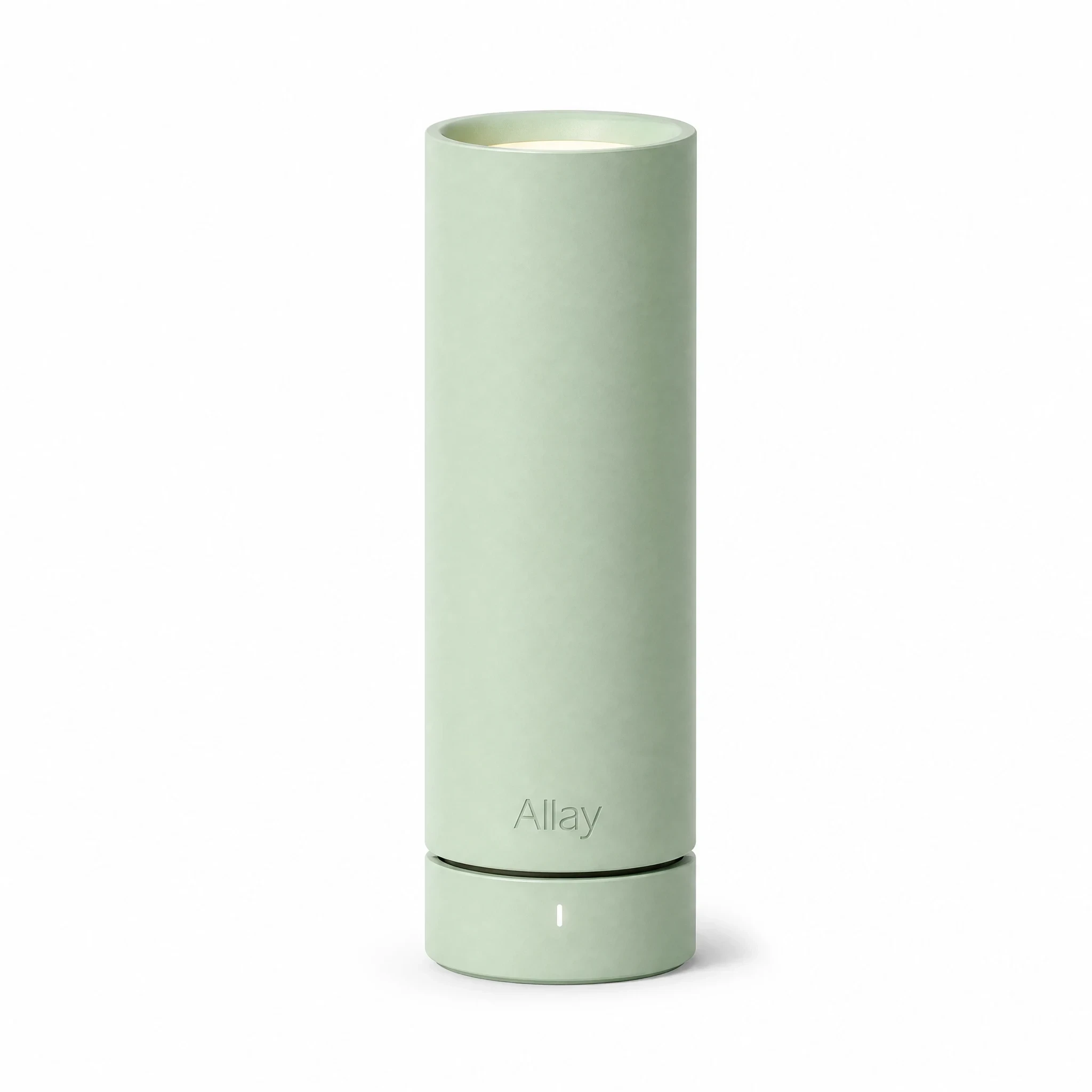
Allay Lamp
$199 from Allay Lamp
No independent research is linked to this product, so its claims are not established.
Pages used for this rating.
Claims and specifications
The device treats the brain electrically using comfortable stimulation / transcranial alternating current stimulation.
SupportedOfficial page explicitly describes the therapy as transcranial alternating current stimulation and says it treats the brain electrically.
The device has no serious side effects.
MixedOfficial page says no serious side effects, but the FDA MAUDE report shows an adverse event report and independent validation is limited.
The device does not negatively interact with any medication.
UnresolvedThis is a broad absolute claim; the provided evidence does not independently verify it.
The device produces serotonin and melatonin while lowering cortisol.
UnresolvedMarketing claim on the official page; no independent evidence provided here.
The device may be used safely with medication or as a standalone therapy.
MixedOfficial page states this, but the provided evidence is largely manufacturer material rather than independent safety evaluation.
The device is used for 20 minutes after waking and 20 minutes before bed; insomnia-only use is once daily before bed.
UnresolvedMatches official instructions on the page.
The device should not be used with implanted electronic devices, demand or sensing pacemakers, pregnancy, known or suspected heart disease, or if the user reacts poorly to electrical stimulation.
SupportedDirectly stated as precautions on the official page.
The device is proven to be safe and effective in multiple published studies.
UnresolvedThe statement is promotional and the provided evidence does not include the underlying studies.
The device is cleared by the FDA to treat depression, anxiety, and insomnia.
SupportedOfficial page says FDA-cleared for these uses; FDA MAUDE page identifies the device but does not itself establish the clearance claim.
Still researching: Effectiveness research and Verified customer ratings.
Quality signals combine supported product disclosures and warranty coverage.
High claim risk with 18 disclosed cautions or contraindications.
10
Free five-year warranty
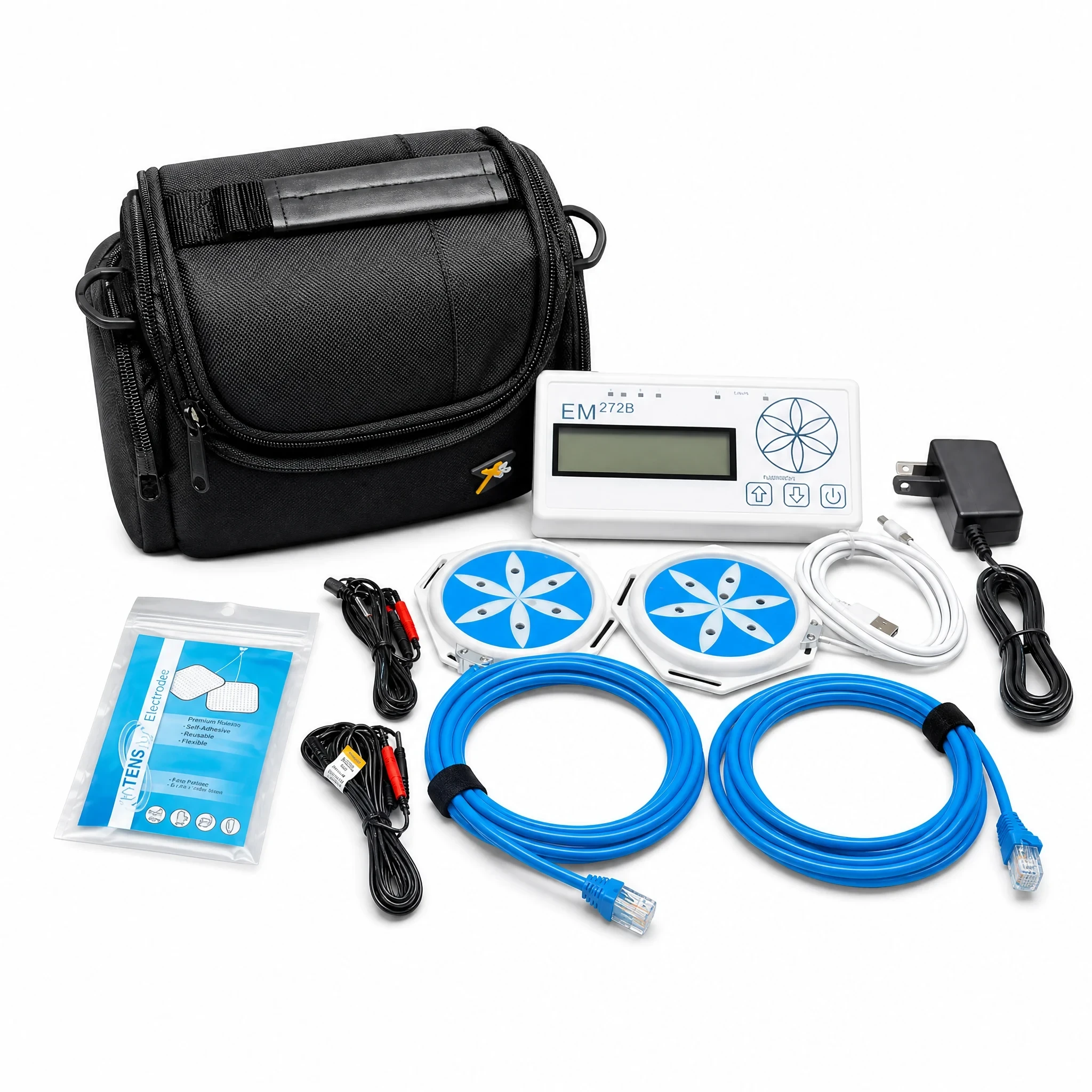
The Fisher Wallace Stimulator® is a device designed to treat the brain using electrical stimulation. It employs Transcranial Alternating Current Stimulation to modulate brain function and cognitive processes by influencing neural oscillations and promoting long-term synaptic plasticity. This technology can be used safely alongside medication or as a standalone therapy.
The device is convenient to use, requiring only 20 minutes of application after waking up and before going to bed. For those treating insomnia, a single session before bedtime is sufficient. The treatment is designed to fit easily into daily routines, allowing users to engage in activities like reading or watching TV during sessions.
Safety is a key feature of the Fisher Wallace Stimulator®, with over 100,000 users in the United States and no reports of long-term negative effects. While some users may experience mild, temporary side effects such as headaches or dizziness, these are rare. The device should not be used by individuals with certain medical conditions, such as those with implanted electronic devices or known heart disease, and it is not recommended for use during pregnancy.
Public product mentions, recommendations, or promotions. These relationships do not establish that a product is effective.

Image source: Maja Smiejkowska / TAterPARsOLI · CC BY-SA 4.0
The transcript names the Fisher Wallace Stimulator and describes the device during the episode. Speaker labels are generic, so this records an episode mention rather than a host endorsement.
A Quest To Find The Purest Coffee On The Planet (& The Shocking Truth About Popular “Organic” Coffee Beans)The supplied research sources evaluate recovery-oriented mental-health programs, not transcranial alternating current stimulation or the Fisher Wallace device. Those studies report small or preliminary benefits for self-perceived recovery and treatment engagement, with limited or inconclusive effects on symptoms. They do not establish efficacy of this device for sleep, mood, stress, or cognitive outcomes.
No reader ratings yet. If you have used this product, your experience could help the next person decide.
No reviews yet
Share the first rating.
No comments yet
Start the conversation.
No independent research is linked to this product, so its claims are not established.
Pages used for this rating.
Claims and specifications
The device treats the brain electrically using comfortable stimulation / transcranial alternating current stimulation.
SupportedOfficial page explicitly describes the therapy as transcranial alternating current stimulation and says it treats the brain electrically.
The device has no serious side effects.
MixedOfficial page says no serious side effects, but the FDA MAUDE report shows an adverse event report and independent validation is limited.
The device does not negatively interact with any medication.
UnresolvedThis is a broad absolute claim; the provided evidence does not independently verify it.
The device produces serotonin and melatonin while lowering cortisol.
UnresolvedMarketing claim on the official page; no independent evidence provided here.
The device may be used safely with medication or as a standalone therapy.
MixedOfficial page states this, but the provided evidence is largely manufacturer material rather than independent safety evaluation.
The device is used for 20 minutes after waking and 20 minutes before bed; insomnia-only use is once daily before bed.
UnresolvedMatches official instructions on the page.
The device should not be used with implanted electronic devices, demand or sensing pacemakers, pregnancy, known or suspected heart disease, or if the user reacts poorly to electrical stimulation.
SupportedDirectly stated as precautions on the official page.
The device is proven to be safe and effective in multiple published studies.
UnresolvedThe statement is promotional and the provided evidence does not include the underlying studies.
The device is cleared by the FDA to treat depression, anxiety, and insomnia.
SupportedOfficial page says FDA-cleared for these uses; FDA MAUDE page identifies the device but does not itself establish the clearance claim.
Still researching: Effectiveness research and Verified customer ratings.
Quality signals combine supported product disclosures and warranty coverage.
High claim risk with 18 disclosed cautions or contraindications.
10
Free five-year warranty
The Fisher Wallace Stimulator® is a device designed to treat the brain using electrical stimulation. It employs Transcranial Alternating Current Stimulation to modulate brain function and cognitive processes by influencing neural oscillations and promoting long-term synaptic plasticity. This technology can be used safely alongside medication or as a standalone therapy.
The device is convenient to use, requiring only 20 minutes of application after waking up and before going to bed. For those treating insomnia, a single session before bedtime is sufficient. The treatment is designed to fit easily into daily routines, allowing users to engage in activities like reading or watching TV during sessions.
Safety is a key feature of the Fisher Wallace Stimulator®, with over 100,000 users in the United States and no reports of long-term negative effects. While some users may experience mild, temporary side effects such as headaches or dizziness, these are rare. The device should not be used by individuals with certain medical conditions, such as those with implanted electronic devices or known heart disease, and it is not recommended for use during pregnancy.
Public product mentions, recommendations, or promotions. These relationships do not establish that a product is effective.
Image source: Maja Smiejkowska / TAterPARsOLI · CC BY-SA 4.0
The transcript names the Fisher Wallace Stimulator and describes the device during the episode. Speaker labels are generic, so this records an episode mention rather than a host endorsement.
A Quest To Find The Purest Coffee On The Planet (& The Shocking Truth About Popular “Organic” Coffee Beans)The supplied research sources evaluate recovery-oriented mental-health programs, not transcranial alternating current stimulation or the Fisher Wallace device. Those studies report small or preliminary benefits for self-perceived recovery and treatment engagement, with limited or inconclusive effects on symptoms. They do not establish efficacy of this device for sleep, mood, stress, or cognitive outcomes.
No reader ratings yet. If you have used this product, your experience could help the next person decide.
No reviews yet
Share the first rating.
No comments yet
Start the conversation.

Image source: Luke Storey official website
The episode features Fisher Wallace Laboratories co-founder Kelly Roman and discusses the Fisher Wallace Stimulator. This is a product feature, not independent clinical evidence.
Treating Depression, Anxiety, and Insomnia Naturally with Kelly Roman #188Image source: Luke Storey official website
The episode features Fisher Wallace Laboratories co-founder Kelly Roman and discusses the Fisher Wallace Stimulator. This is a product feature, not independent clinical evidence.
Treating Depression, Anxiety, and Insomnia Naturally with Kelly Roman #188