
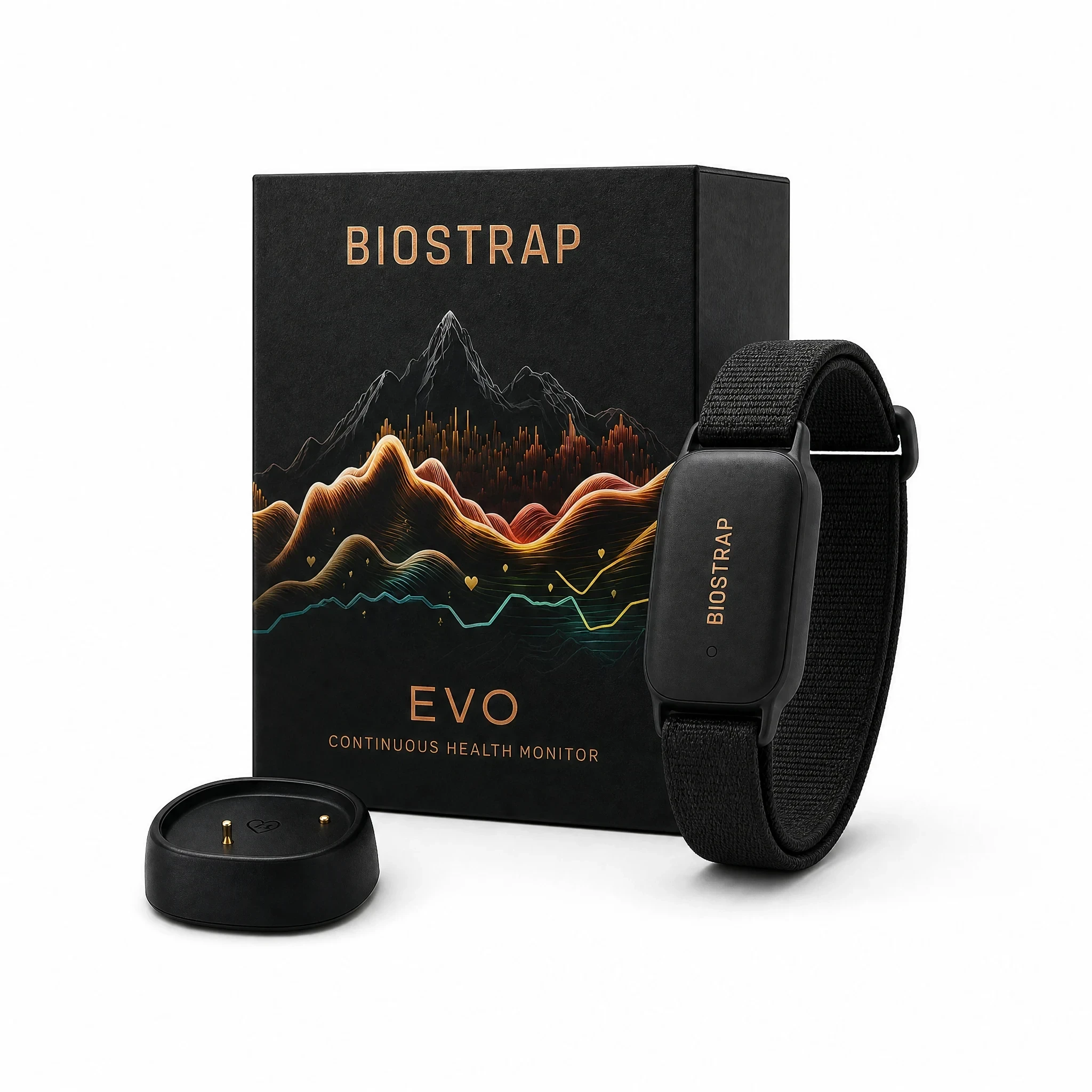
Biostrap EVO
$220 from Biostrap
The available evidence includes a hard-stop concern, so we do not recommend this product.
Pages used for this rating.
Claims and specifications
Cardiogram’s algorithms can accurately identify diabetes, with a reported detection accuracy of 78.1%.
UnresolvedThis is a manufacturer-reported product claim; the underlying study or independent validation was not supplied.
Not a finished-product study. Missing a required intervention or setting term.
Cardiogram’s algorithms can accurately identify atrial fibrillation, with a reported detection accuracy of 83.3%.
UnresolvedThis is a manufacturer-reported product claim; the underlying study or independent validation was not supplied.
Not a finished-product study. Missing a required intervention or setting term.
Cardiogram’s algorithms can accurately identify sleep apnea, with a reported detection accuracy of 77.5%.
UnresolvedThis is a manufacturer-reported product claim; the underlying study or independent validation was not supplied.
Not a finished-product study.
Cardiogram’s algorithms can accurately identify hypertension, with a reported detection accuracy of 77.7%.
UnresolvedThis is a manufacturer-reported product claim; the underlying study or independent validation was not supplied.
Not a finished-product study. Missing a required intervention or setting term.
Cardiogram supports early detection, prevention, and movement of members into care management for confirmation and treatment.
UnresolvedThe official page makes these claims, but the supplied research does not directly establish Cardiogram’s clinical outcomes or disease-prevention effects.
Not a finished-product study. Missing a required intervention or setting term.
Cardiogram data and reports can support collaboration among members, clinicians, care managers, and providers.
MixedThe app’s reporting and sharing features are described by the official source, while the systematic review identifies collaboration and management of patient-generated data as research themes. This does not establish improved clinical outcomes for Cardiogram specifically.
Not a finished-product study. Missing a required intervention or setting term.
Customizable habits and reminders in Cardiogram lead to increased plan satisfaction and STARs scores.
UnresolvedThis manufacturer claim was not supported by the supplied research.
Not a finished-product study.
Wearable activity trackers can increase physical activity.
SupportedAn umbrella review found modest improvements in physical activity, including approximately 1,800 additional steps per day on average. This evidence concerns wearable activity trackers generally, not Cardiogram specifically.
Not a finished-product study. Missing a required intervention or setting term.
Cardiogram provides health scores or risk scores for conditions including hypertension, sleep apnea, diabetes, and atrial fibrillation.
UnresolvedThe supplied research does not establish the validity or clinical utility of Cardiogram’s condition-specific scores.
Not a finished-product study. Missing a required intervention or setting term.
The app is not a diagnostic tool.
Not supportedThe stored description makes this characterization, but the official product page uses language about detection, diagnosis, and treatment, so the characterization conflicts with the supplied official evidence.
Not a finished-product study.
Cardiogram continuously monitors cardiovascular data captured from a standard smartwatch.
UnresolvedThe official page describes this capability, but the supplied research does not validate Cardiogram’s monitoring accuracy or clinical performance.
Not a finished-product study. Missing a required intervention or setting term.
Cardiogram transforms wearables into scientifically validated heart monitors.
UnresolvedThe claim appears on the manufacturer’s product page, but no direct validation study for the product was supplied.
Not a finished-product study. Missing a required intervention or setting term.
Quality signals combine supported product disclosures and warranty coverage.
High claim risk with 9 disclosed cautions or contraindications.
Cardiogram is a health application designed to enhance your understanding of heart health by providing insights into your heart's activity. It connects with wearable devices to monitor heart rate and rhythm, offering users a comprehensive view of their cardiovascular health. This data can help identify potential heart-related issues early, allowing for timely medical consultation and intervention.
The app also features Heart IQ, a tool that analyzes heart data to provide personalized insights and recommendations. This feature helps users understand how lifestyle factors such as diet, exercise, and stress impact their heart health. By tracking these metrics, users can make informed decisions to improve their overall well-being.
Additionally, Cardiogram offers Migraine IQ, which helps users track and manage migraines by identifying patterns and triggers related to heart activity. This feature can be particularly beneficial for individuals who experience migraines, as it provides data-driven insights to help manage and potentially reduce the frequency of migraine episodes.
Systematic-review evidence suggests that self-tracking may support goal setting, personal data management, and collaboration with health professionals, but the evidence is heterogeneous. An umbrella review found that wearable activity trackers can produce modest increases in physical activity, while effects on blood pressure, cholesterol, glycosylated haemoglobin, and psychosocial outcomes were generally small or often non-significant. The supplied research does not directly establish Cardiogram’s clinical accuracy, diagnostic performance, risk-score validity, or disease-prevention outcomes.
No reader ratings yet. If you have used this product, your experience could help the next person decide.
No reviews yet
Share the first rating.
No comments yet
Start the conversation.
The available evidence includes a hard-stop concern, so we do not recommend this product.
Pages used for this rating.
Claims and specifications
Cardiogram’s algorithms can accurately identify diabetes, with a reported detection accuracy of 78.1%.
UnresolvedThis is a manufacturer-reported product claim; the underlying study or independent validation was not supplied.
Not a finished-product study. Missing a required intervention or setting term.
Cardiogram’s algorithms can accurately identify atrial fibrillation, with a reported detection accuracy of 83.3%.
UnresolvedThis is a manufacturer-reported product claim; the underlying study or independent validation was not supplied.
Not a finished-product study. Missing a required intervention or setting term.
Cardiogram’s algorithms can accurately identify sleep apnea, with a reported detection accuracy of 77.5%.
UnresolvedThis is a manufacturer-reported product claim; the underlying study or independent validation was not supplied.
Not a finished-product study.
Cardiogram’s algorithms can accurately identify hypertension, with a reported detection accuracy of 77.7%.
UnresolvedThis is a manufacturer-reported product claim; the underlying study or independent validation was not supplied.
Not a finished-product study. Missing a required intervention or setting term.
Cardiogram supports early detection, prevention, and movement of members into care management for confirmation and treatment.
UnresolvedThe official page makes these claims, but the supplied research does not directly establish Cardiogram’s clinical outcomes or disease-prevention effects.
Not a finished-product study. Missing a required intervention or setting term.
Cardiogram data and reports can support collaboration among members, clinicians, care managers, and providers.
MixedThe app’s reporting and sharing features are described by the official source, while the systematic review identifies collaboration and management of patient-generated data as research themes. This does not establish improved clinical outcomes for Cardiogram specifically.
Not a finished-product study. Missing a required intervention or setting term.
Customizable habits and reminders in Cardiogram lead to increased plan satisfaction and STARs scores.
UnresolvedThis manufacturer claim was not supported by the supplied research.
Not a finished-product study.
Wearable activity trackers can increase physical activity.
SupportedAn umbrella review found modest improvements in physical activity, including approximately 1,800 additional steps per day on average. This evidence concerns wearable activity trackers generally, not Cardiogram specifically.
Not a finished-product study. Missing a required intervention or setting term.
Cardiogram provides health scores or risk scores for conditions including hypertension, sleep apnea, diabetes, and atrial fibrillation.
UnresolvedThe supplied research does not establish the validity or clinical utility of Cardiogram’s condition-specific scores.
Not a finished-product study. Missing a required intervention or setting term.
The app is not a diagnostic tool.
Not supportedThe stored description makes this characterization, but the official product page uses language about detection, diagnosis, and treatment, so the characterization conflicts with the supplied official evidence.
Not a finished-product study.
Cardiogram continuously monitors cardiovascular data captured from a standard smartwatch.
UnresolvedThe official page describes this capability, but the supplied research does not validate Cardiogram’s monitoring accuracy or clinical performance.
Not a finished-product study. Missing a required intervention or setting term.
Cardiogram transforms wearables into scientifically validated heart monitors.
UnresolvedThe claim appears on the manufacturer’s product page, but no direct validation study for the product was supplied.
Not a finished-product study. Missing a required intervention or setting term.
Quality signals combine supported product disclosures and warranty coverage.
High claim risk with 9 disclosed cautions or contraindications.
Cardiogram is a health application designed to enhance your understanding of heart health by providing insights into your heart's activity. It connects with wearable devices to monitor heart rate and rhythm, offering users a comprehensive view of their cardiovascular health. This data can help identify potential heart-related issues early, allowing for timely medical consultation and intervention.
The app also features Heart IQ, a tool that analyzes heart data to provide personalized insights and recommendations. This feature helps users understand how lifestyle factors such as diet, exercise, and stress impact their heart health. By tracking these metrics, users can make informed decisions to improve their overall well-being.
Additionally, Cardiogram offers Migraine IQ, which helps users track and manage migraines by identifying patterns and triggers related to heart activity. This feature can be particularly beneficial for individuals who experience migraines, as it provides data-driven insights to help manage and potentially reduce the frequency of migraine episodes.
Systematic-review evidence suggests that self-tracking may support goal setting, personal data management, and collaboration with health professionals, but the evidence is heterogeneous. An umbrella review found that wearable activity trackers can produce modest increases in physical activity, while effects on blood pressure, cholesterol, glycosylated haemoglobin, and psychosocial outcomes were generally small or often non-significant. The supplied research does not directly establish Cardiogram’s clinical accuracy, diagnostic performance, risk-score validity, or disease-prevention outcomes.
No reader ratings yet. If you have used this product, your experience could help the next person decide.
No reviews yet
Share the first rating.
No comments yet
Start the conversation.