How to Improve Deep Sleep: An Evidence-Based Guide
Learn how to improve deep sleep with practical steps for light, temperature, caffeine, supplements, and realistic use of consumer sleep trackers.
Deep sleep, also called slow-wave sleep, is the phase where your body does its heaviest maintenance work: clearing metabolic waste from the brain, consolidating memory, and releasing the bulk of your nightly growth hormone. If you wake up groggy despite spending eight hours in bed, shallow or fragmented deep sleep is often the culprit.
The good news is that deep sleep responds predictably to a handful of physiological levers. This guide walks through what actually drives slow-wave sleep, ranks the evidence behind each intervention, and gives you a practical protocol you can start tonight.
What deep sleep is and why it matters
Sleep cycles move through non-REM and REM stages several times each night. Deep, slow-wave sleep is more common earlier in the night, while REM periods generally lengthen later. The National Heart, Lung, and Blood Institute overview of sleep stages explains this pattern without implying that every cycle lasts the same amount of time.
During slow-wave sleep, brain waves slow into large synchronized oscillations, heart rate and blood pressure drop, and the glymphatic system ramps up its clearance of waste products. Skimp on this phase and you tend to feel physically unrecovered, regardless of total sleep time.
Deep sleep is not something you can force by staying in bed longer. It is a byproduct of strong sleep pressure meeting a calm, cool, dark environment.
Build sleep pressure the right way
Sleep pressure is driven by adenosine, a byproduct that accumulates in your brain the longer you are awake. The higher your adenosine load at bedtime, the more slow-wave sleep your body generates to discharge it. This is the single strongest lever you have (strong evidence).
Three practices raise clean sleep pressure:
- Keep a consistent wake time. A stable rise time anchors your circadian rhythm and lets adenosine build on schedule.
- Avoid long or late naps. A nap after mid-afternoon bleeds off the adenosine you need for the night. If you nap, keep it under 25 minutes and before 3 p.m.
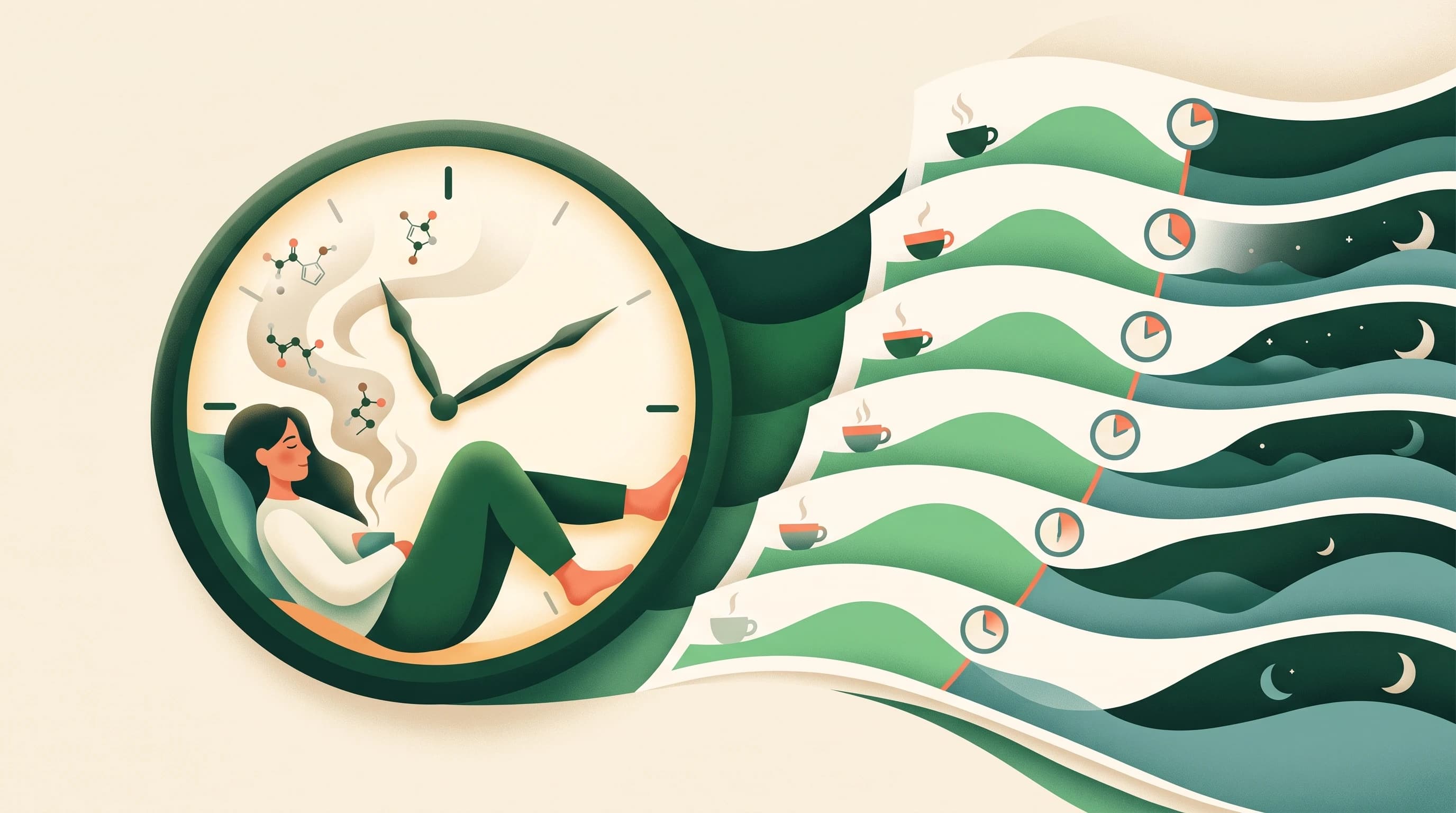
- Time caffeine carefully. Caffeine blocks adenosine receptors. With a half-life of roughly five to six hours, an afternoon coffee is still working at bedtime. Cut caffeine at least eight to ten hours before sleep.
Get the temperature right
Your core body temperature must drop by about 1 to 2 degrees Fahrenheit to initiate and sustain deep sleep. A warm bedroom is one of the most common and most fixable causes of shallow sleep (strong evidence).
- Keep the bedroom cool, around 65 to 68 degrees Fahrenheit for most people.
- A warm bath or shower 60 to 90 minutes before bed helps, counterintuitively, by pulling blood to the skin and accelerating the subsequent core temperature drop.
- If you overheat at night, breathable bedding and cooling mattress pads produce measurable gains in slow-wave sleep for many people.
Manage light across the day
Light is the master signal for your circadian clock, and circadian alignment sets the stage for well-timed deep sleep.
- Morning: Get bright outdoor light within an hour of waking. This advances your clock and strengthens the day-night contrast that consolidates deep sleep.
- Evening: Dim overhead lights two to three hours before bed. Bright light, especially blue-enriched screen light, suppresses melatonin and delays sleep onset (strong evidence for the melatonin effect; mixed results on blue-blocking glasses specifically).
- Keep the bedroom as dark as possible. Even low ambient light can fragment sleep.
Supplements: magnesium and glycine
Supplements are supporting players, not substitutes for the levers above. Two have reasonable evidence.
Magnesium contributes to nerve and muscle function. Evidence for improving sleep is mixed, so it is more reasonable to correct a deficiency than to expect a large sedative effect. The NIH magnesium fact sheet also notes that supplemental magnesium can cause diarrhea, interact with medicines, and has a tolerable upper intake level of 350 mg per day for adults unless a clinician advises otherwise.
Glycine, an amino acid, has emerging evidence for improving subjective sleep quality and shortening time to fall asleep, possibly by promoting the pre-sleep drop in core temperature. Studies have used around 3 grams before bed (emerging evidence).
Skip the proprietary "sleep stacks" with a dozen underdosed ingredients. For a well-formulated, single-purpose supplement, browse the curated picks on the products page. If you want to compare environmental and routine options side by side, explore the Sleep Better collection.
Track so you can iterate
Wearables that estimate sleep stages from movement and heart signals are approximate on any single night. The American Academy of Sleep Medicine says consumer sleep technology should not diagnose or treat a sleep disorder. It can still help you notice personal trends. Change one variable at a time, hold it for a week, and compare the trend with how you feel. Cold exposure is another recovery lever worth tracking alongside sleep; see the cold plunge benefits guide for how the two interact.
Practical protocol
Follow this sequence for two weeks before judging results:
- Fix a single wake time, seven days a week, and get outdoor light within 60 minutes.
- Cut caffeine 8 to 10 hours before bed; drop late naps.
- Set the bedroom to 65 to 68 degrees Fahrenheit and make it fully dark.
- Take a warm shower 60 to 90 minutes before bed, then dim the lights.
- If you suspect low magnesium intake, discuss supplementation and medicine interactions with a clinician rather than assuming a larger dose is better.
- Track nightly and review weekly trends, not single nights.
Conclusion
Deep sleep is downstream of a few well-understood physiological signals: strong sleep pressure, a falling core temperature, well-timed light, and a calm nervous system. Nail the fundamentals first, layer in magnesium and glycine as support, and use a wearable to confirm what is working for your body.
This article is for educational purposes and is not medical advice. If you have persistent insomnia, loud snoring, or suspected sleep apnea, consult a qualified clinician.
Next step: Pick just one lever from the protocol above, apply it for a week, and log the result before adding the next. If you are considering a purchase, use our sleep tools buying guide to compare free changes, masks, curtains, noise and cooling options first.